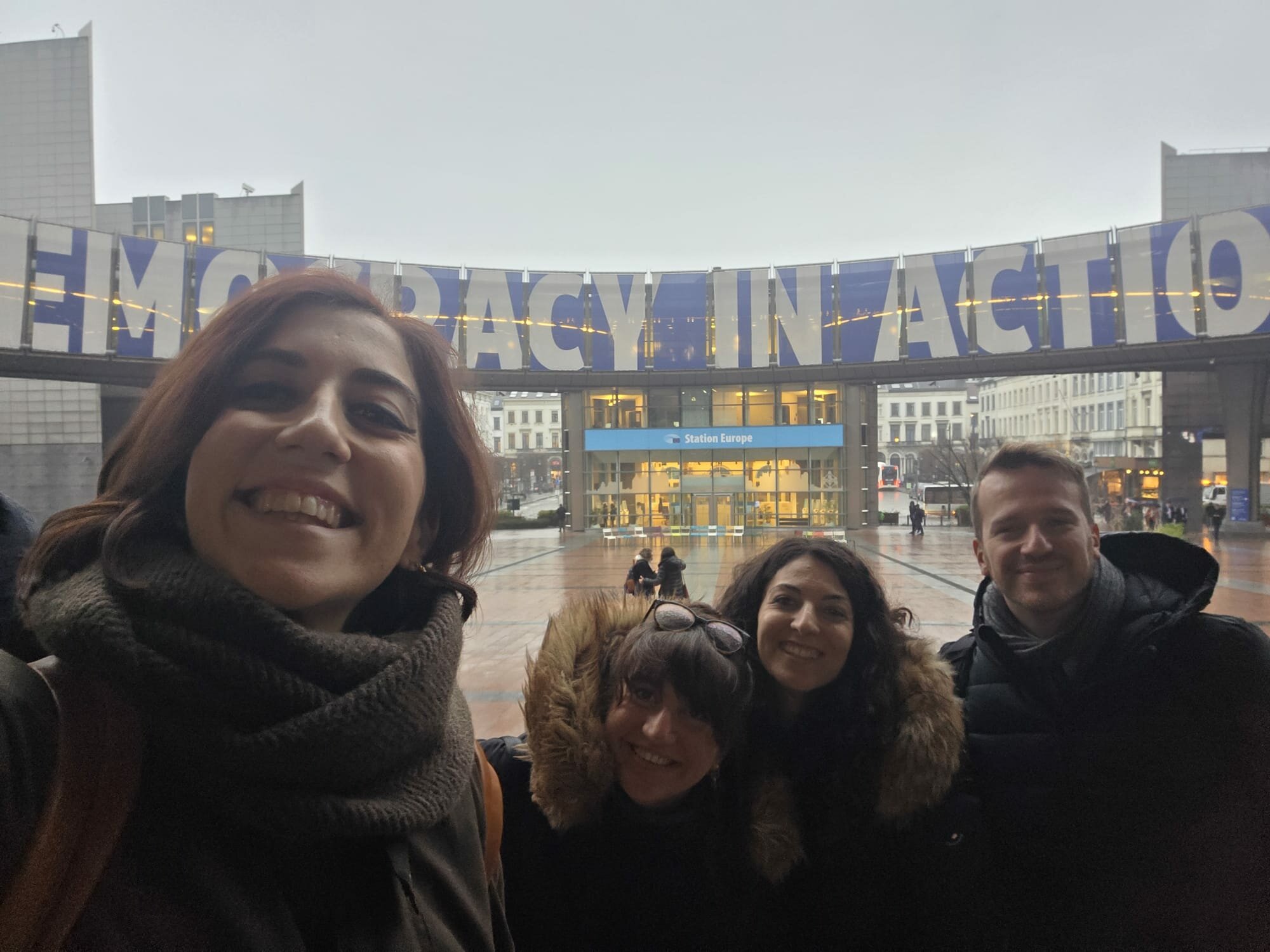
Brussels, January 13-14, 2026: two intense days, full of content and energy for the IRST IRCCS of Meldola (Emilia-Romagna), recounted by Rosa Maria Genovese
Our Institute, a center of excellence for oncological research and care, with a strong international vocation and a structured presence in Brussels, has brought its experience and vision directly to the heart of European institutions. Not as a guest, but as a conscious actor aware of the opportunity to make an impact when working together.
It was precisely from this position that two consecutive working days were conceived and organized, on January 13 and 14, designed as part of a journey and not as isolated events: the goal was to connect key players, foster dialogue between different levels, and concretely contribute to the construction of structured European strategies for the future of health, with a central focus on cancer and the digital transformation of healthcare systems.
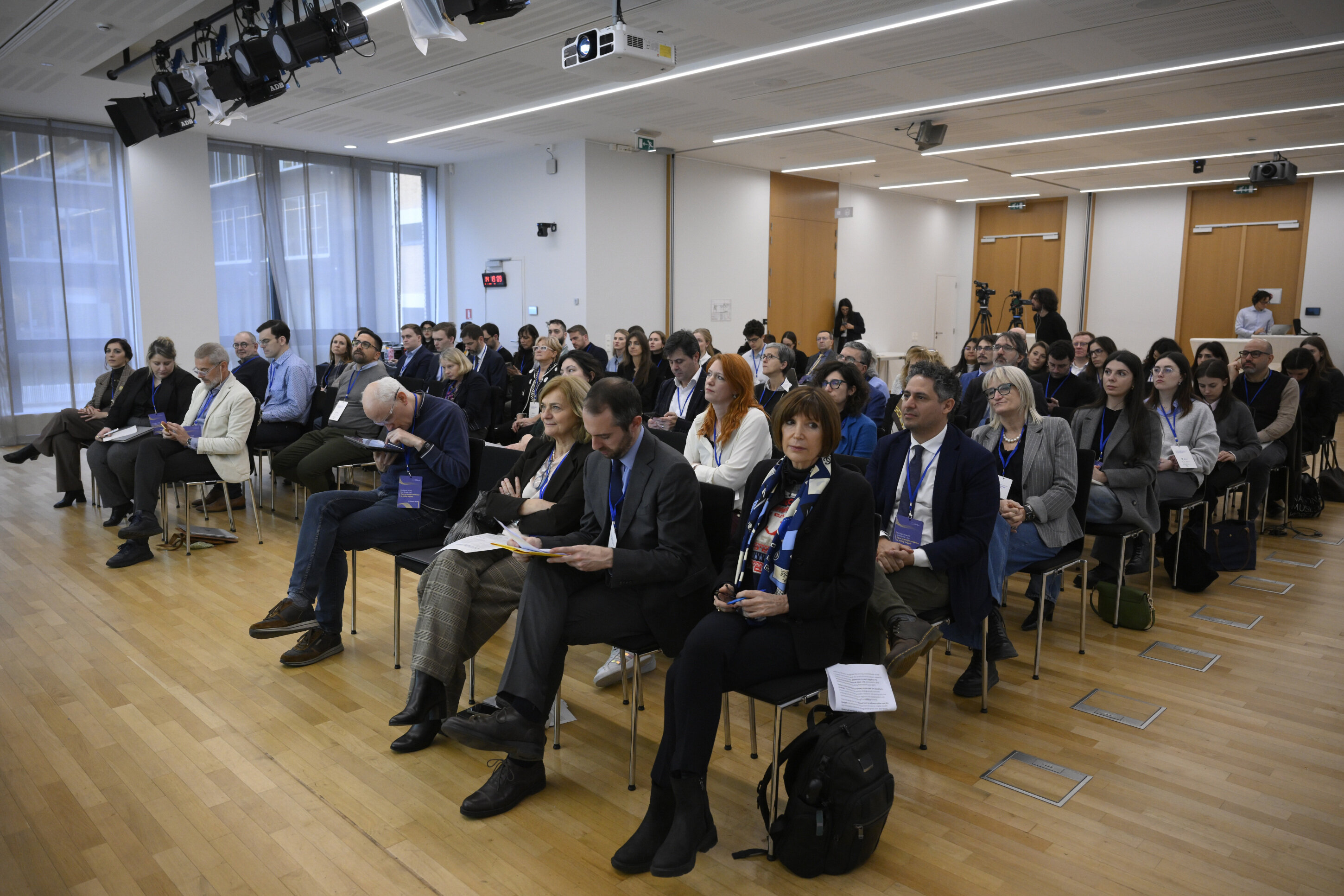
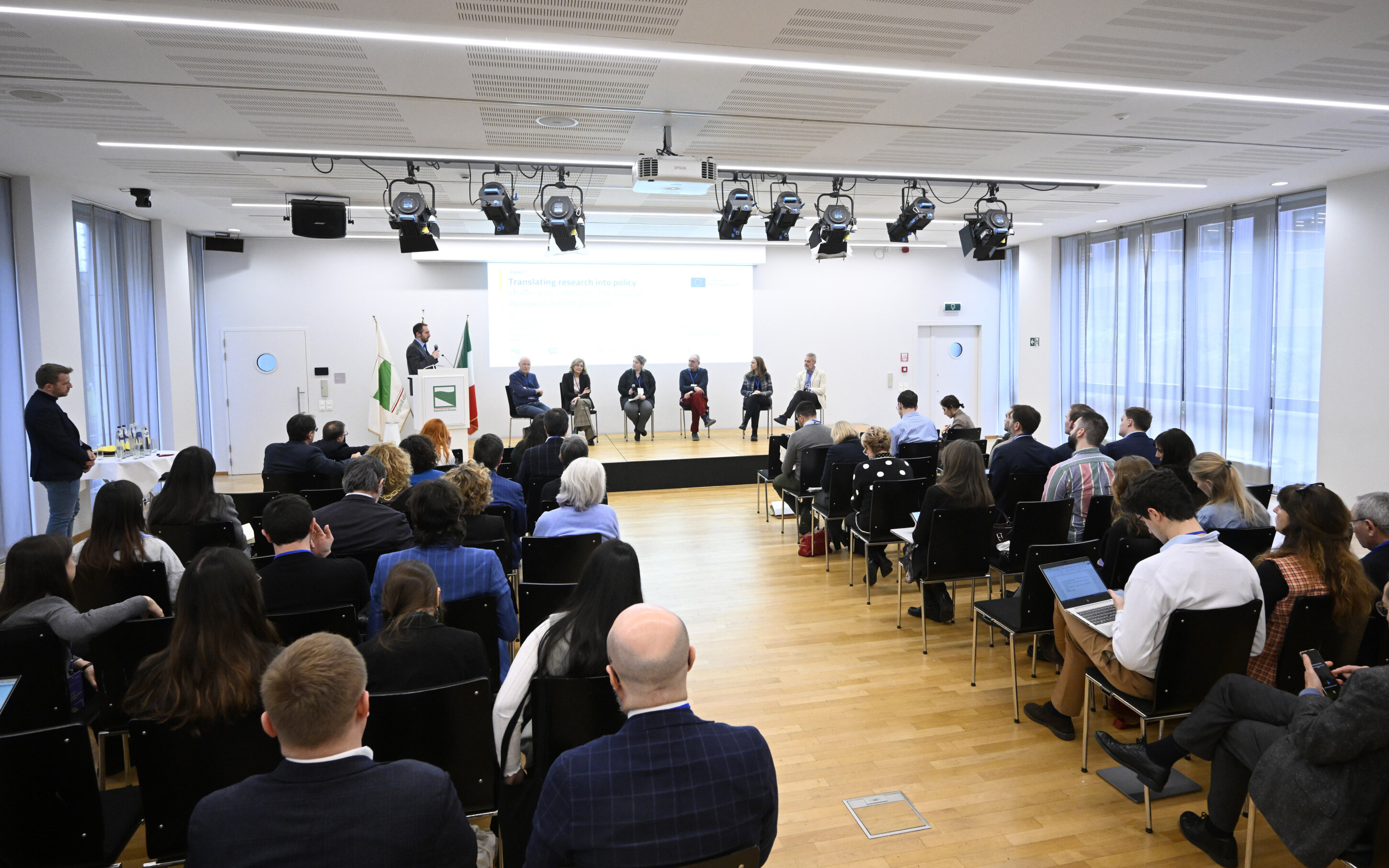
On January 13, the session “EU Digital Health and Cancer Care: From scientific evidence to policy impact” was held at the Delegation of the Emilia-Romagna Region, moderated by EUREGHA. An afternoon with a strong European perspective, bringing together EU research projects, infrastructures, and innovation ecosystems, with a specific focus on digital health and precision oncology. The presence of representatives from the European Commission, along with project coordinators and policy experts, enabled a direct and high-level exchange.
The common thread was clear from the outset: how to transform solid scientific evidence into sustainable, scalable European policies capable of generating real impact. An open, concrete discussion in which each contribution helped to position shared priorities in view of the next Framework Programme (FP10).
In recent years, the European Union has demonstrated its ability to respond to health crises, activating innovative tools for coordination and joint response. Today, however, the challenge is different and more ambitious: not just responding to emergencies, but consolidating those results into structural policies. Health—and in particular the fight against cancer—cannot be treated as a separate sector, but as one of the pillars of resilience, competitiveness, and European cohesion. The continuity of key initiatives such as the Cancer Mission and Europe’s Beating Cancer Plan is not just a matter of resources, but a strategic choice about the kind of Europe we want to build.
On these call to action, a Manifesto was launched at the conclusion of the event, a joint declaration of intent that can be read and supported.
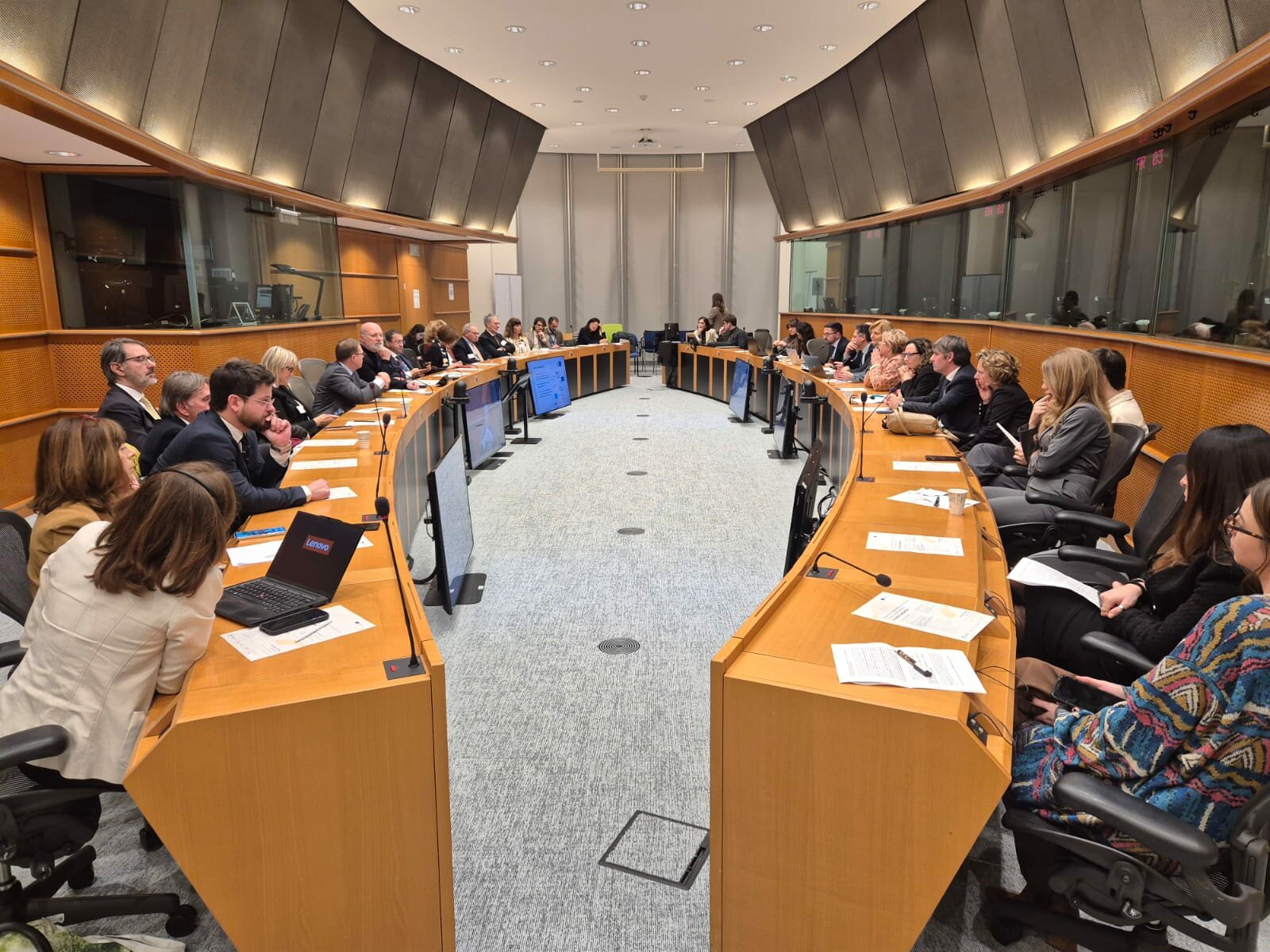
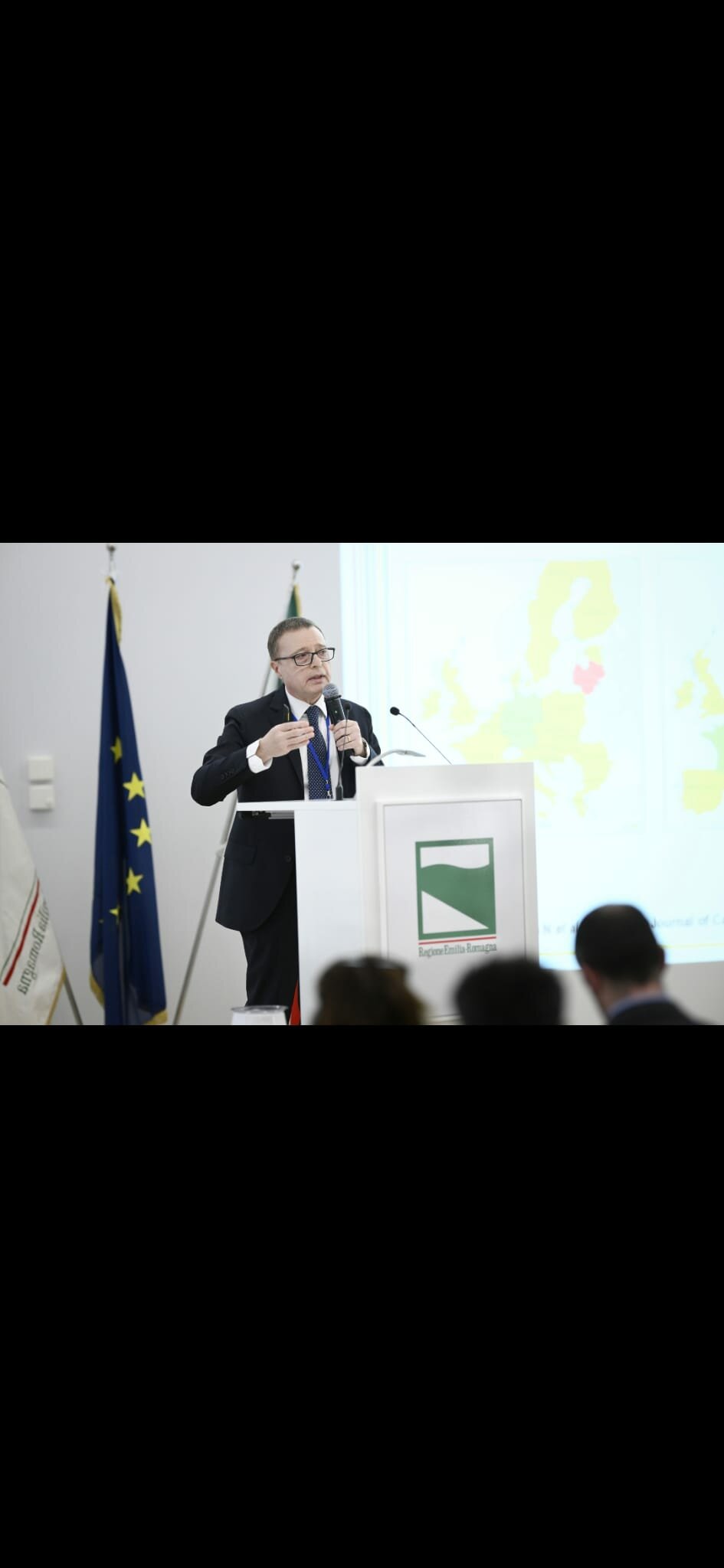
On January 14, the discussion moved to the European Parliament, hosted by Hon. Stefano Bonaccini, with moderation by ProMIS. Here, the discussion took on a different and complementary perspective: that of the territories. MEPs, research and innovation centers, and regional representatives—Emilia-Romagna, Lazio, Lombardy, Veneto, and Tuscany—discussed vision, organizational models, and priorities in cancer and digital health. The importance of regions as nodes of multilevel integration emerged strongly, capable of translating scientific innovation into accessible, implementable, and replicable solutions in real healthcare systems. A clear message: without the territories and attention to citizens, the Europe of health cannot function.
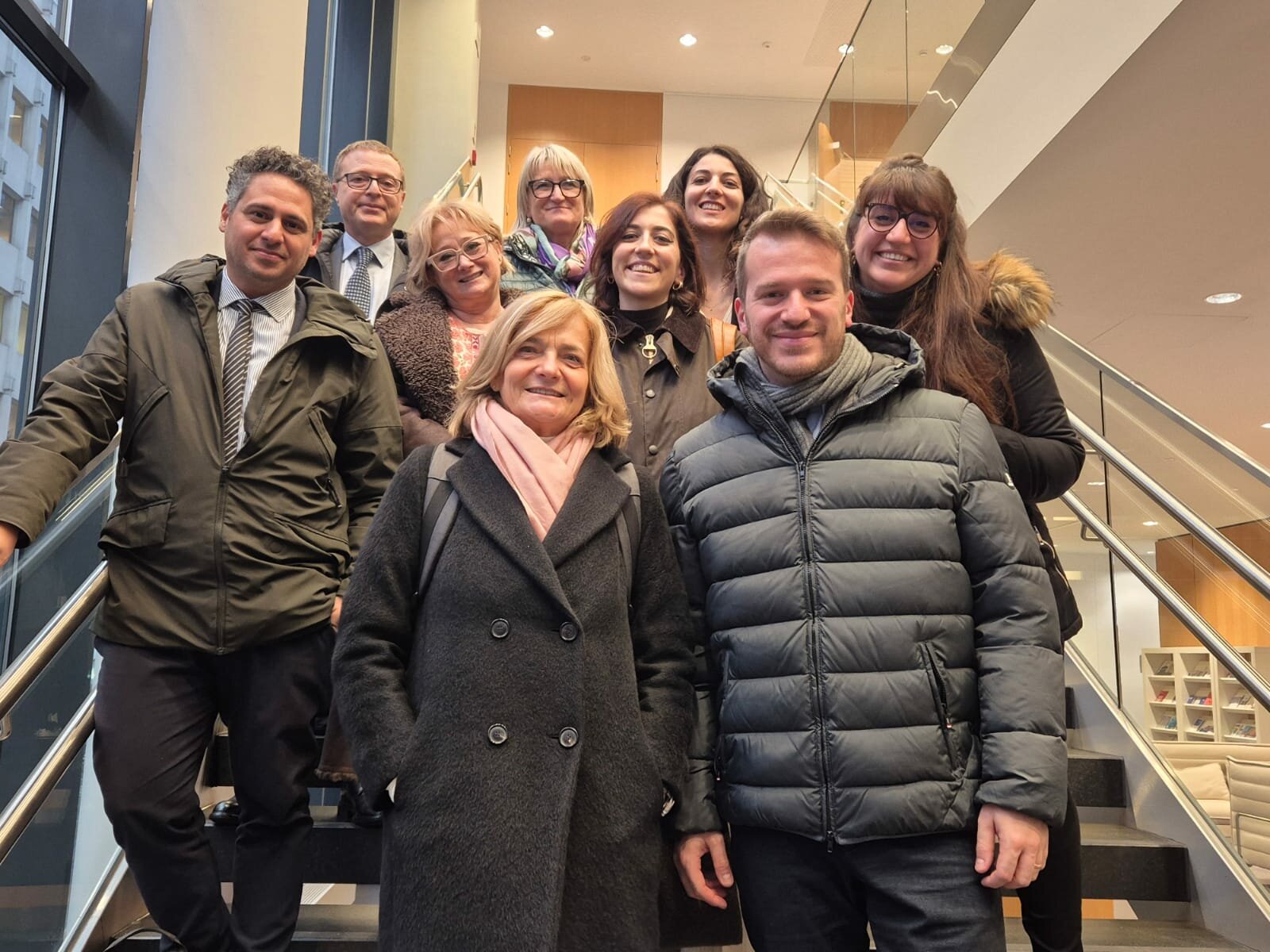
The IRST delegation was large and representative: management, research area managers, researchers, together with the Emilia-Romagna Region and the Cluster Health. The two days were also enriched by valuable bilateral meetings, from the visit to the IRST office in Brussels at the Italian-Belgian Chamber of Commerce to the Permanent Representation to the EU, passing through APRE and ECO. Fundamental moments to strengthen relationships, build trust, and open new trajectories of European collaboration.
It would be impossible to thank all the people who contributed to the success of this initiative: speakers, partners, institutions, colleagues, and collaborators who believed in the value of this journey and made it possible.
From my point of view, as project and policy manager at IRST, these two days represented much more than a successful event. They confirmed how essential it is, even for an institute of our modest size, to resolutely undertake this complex but necessary path that passes through Brussels. Being present, meeting institutions, talking to those who make policies—in both formal and informal contexts—means investing in the long term. It is patient work, often invisible, but capable of generating enormous returns over time.
This is the European Union that engages in dialogue and improves the quality of life of its citizens: a political project made up of people, of discussion, of different interests that emerge from the ground up and must be systematized.
Advocacy in the health field, at this particular historical moment, also means this: connecting scientific evidence, territories, and citizens, making their needs evident, and transforming them into policy choices that improve people's lives. Emphasizing how health is not a standalone element, but an integral part of the continent's social and economic well-being. In the oncology field, this means sustainable investments towards better, fairer, and more accessible care.
Contributing to such a delicate and decisive moment, like the definition of the next Framework Programme and the Multiannual Financial Framework 2028–2034, was stimulating and exciting. Feeling an active part of this process, bringing the voice of a center of excellence into the European debate, gives deep meaning to this work. Being that “dot” that connects projects, policies, institutions, and people means, ultimately, helping Europe to step out of its palaces and, at the same time, helping us to understand it better, to make it less distant, more concrete, more ours.
Two days that do not represent an endpoint, but the beginning of a journey that we want to continue building, day after day, project after project, meeting after meeting.
Rosa Maria Genovese